Cassata siciliana
Sicilian Cassata- Yield
- One 9-inch cake; 12 to 14 slices
- Active
- 2 hours
- Total
- About 2 days, including draining the ricotta and chilling
- Difficulty
- Advanced
The story
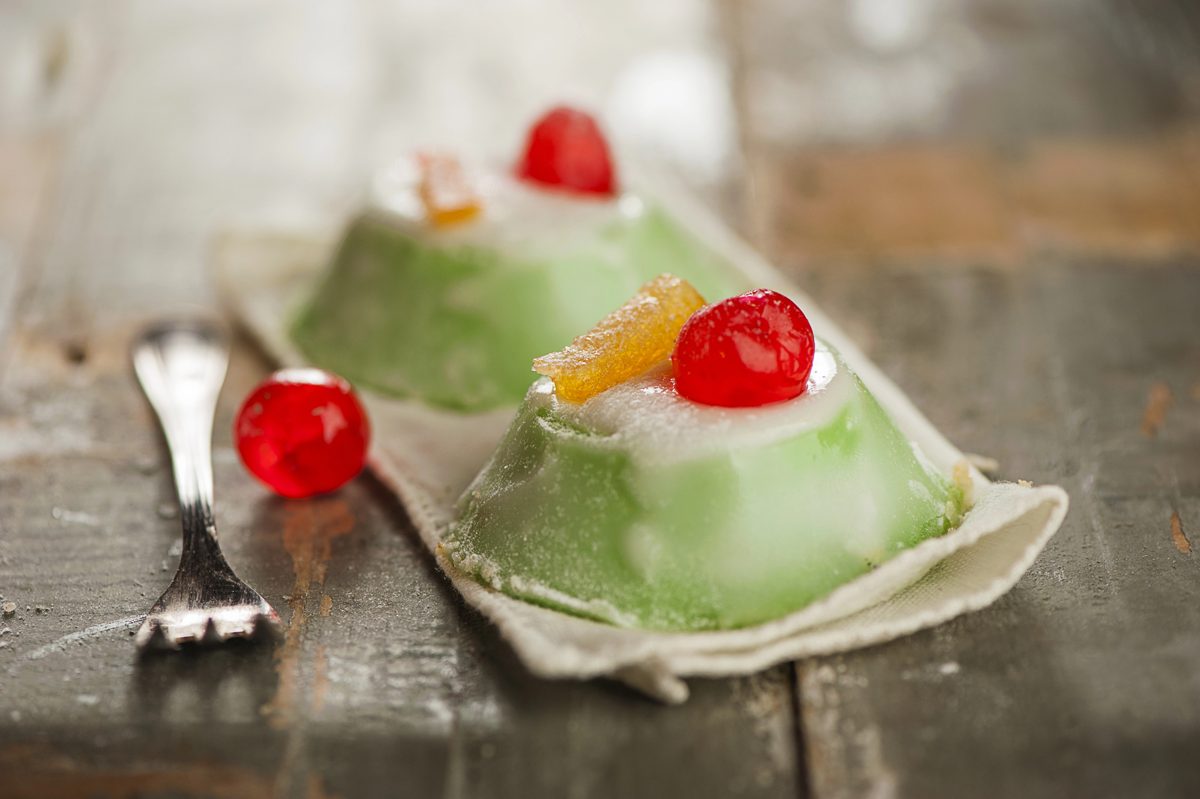
Cassata layers sweetened sheep's-milk ricotta and chocolate inside sponge cake, wraps it in green almond paste and white glaze, and crowns it with candied fruit. Its roots go back to Arab rule in Sicily, from the 9th to the 11th century, when sugar, citrus and almonds reached the island. The name is often traced to the Arabic qas'at, the deep bowl in which it was shaped; another theory points to the Latin caseus, cheese. The early version was simple: sweetened ricotta enclosed in a pastry crust. The sponge, called pan di Spagna, or Spanish bread, came later, and Sicily's convents in the 1600s helped turn the cake into the decorated showpiece it is now, with pasta reale, the island's almond paste, and candied fruit. Palermo's BlogSicilia calls it a typical Easter sweet that Sicilians nonetheless eat all year across the island, and it is distinct from the frozen cassata of Naples. Plan three days for it: drain the ricotta and bake the sponge first, assemble the cake the next day, and glaze it on the morning it is served.
This recipe contains alcohol. It is meant for adults of legal drinking age.
Ingredients and method
The full recipe, with US and metric measures and stand-ins for hard-to-find ingredients, is part of the Easter edition. Buy it once and keep the PDF.
Want to try first? Pastiera napoletana is free to cook.