Winter Folk Dishes
133 recipes from 16 European countries for the cold months, from bean soups to Carnival doughnuts
Instant access and a PDF to keep. One-time purchase.133 recipes from 16 European countries for the cold months, from bean soups to Carnival doughnuts
Instant access and a PDF to keep. One-time purchase.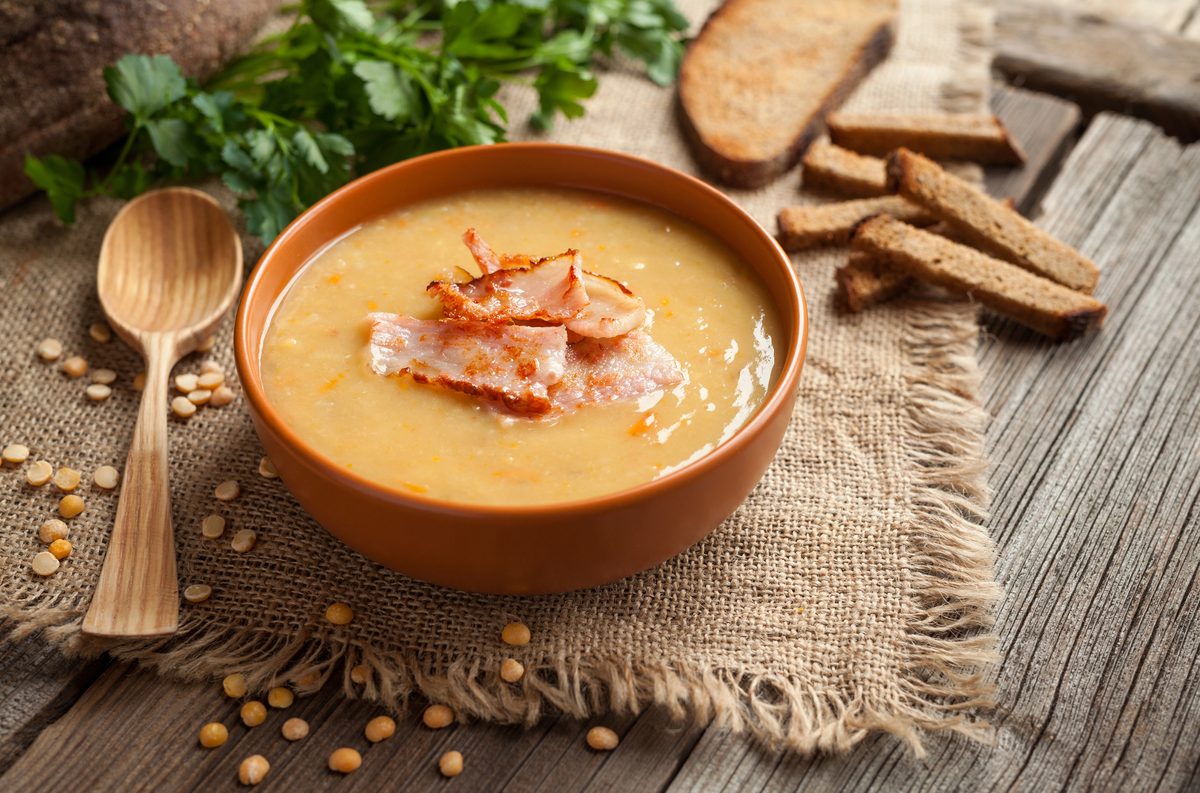
US cups, ounces and °F, and grams, milliliters and °C.
Open to everyone, in full.
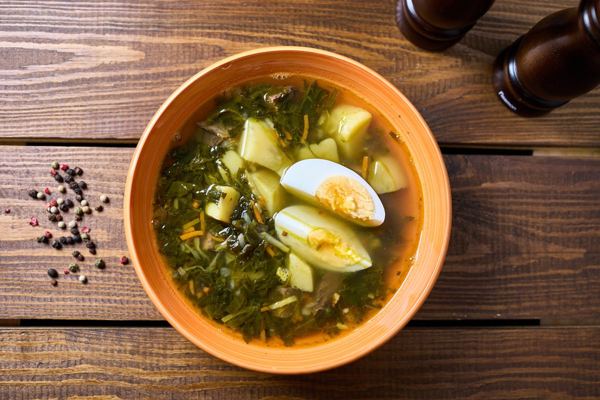
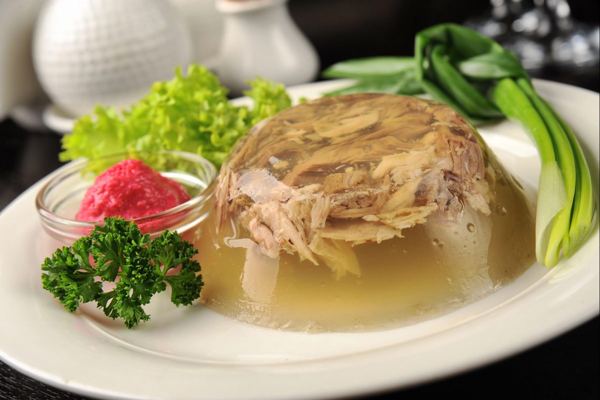
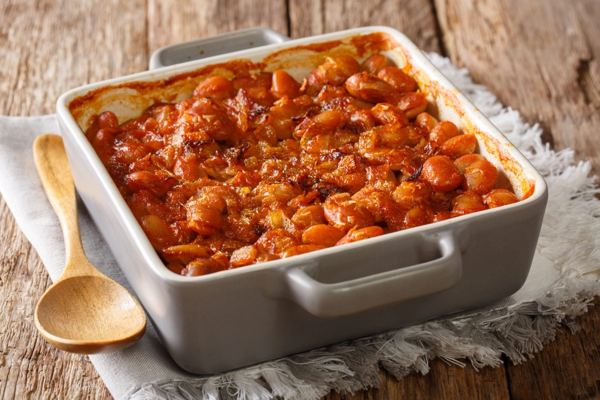
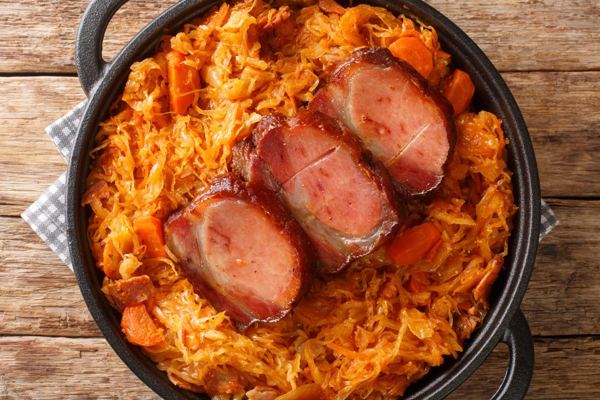
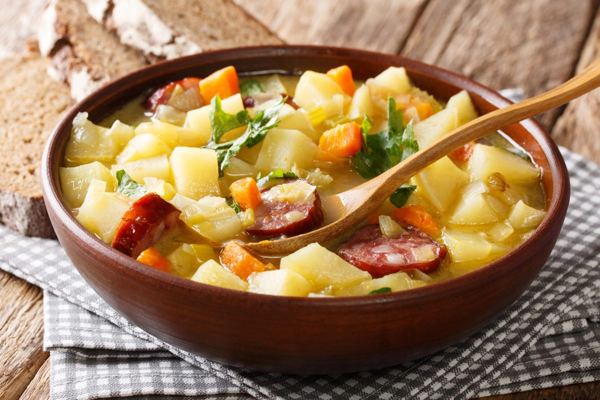
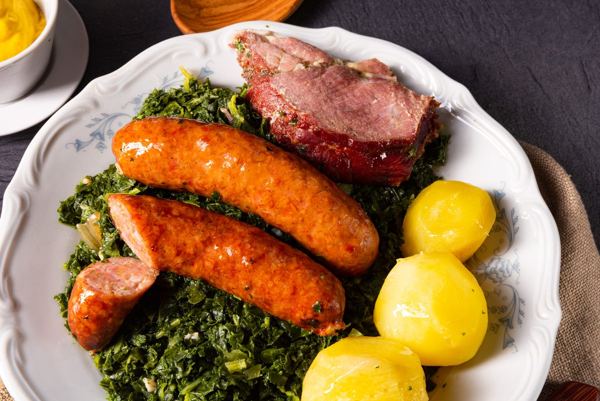
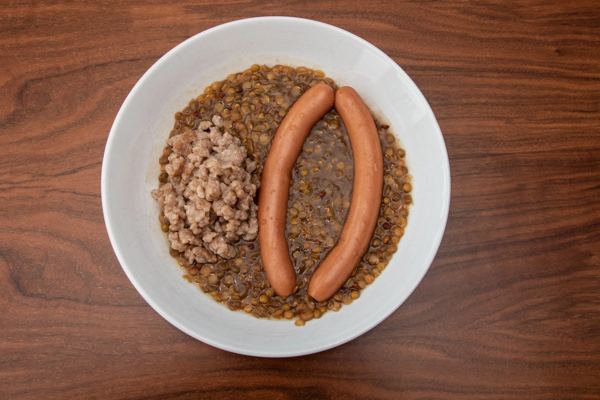
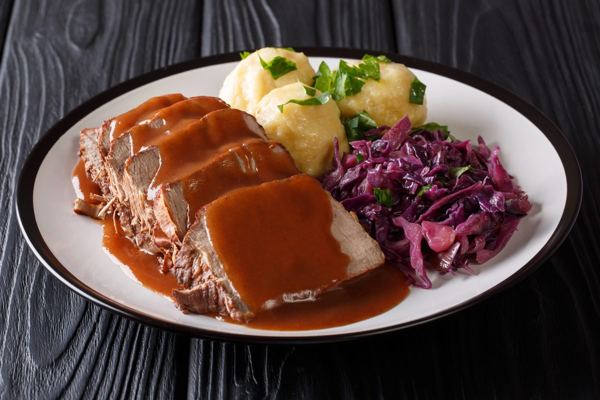
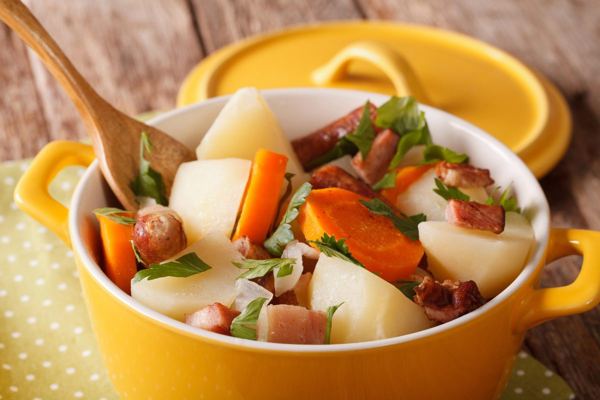
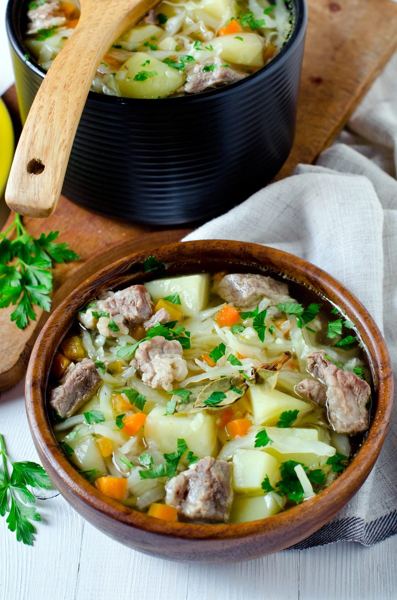
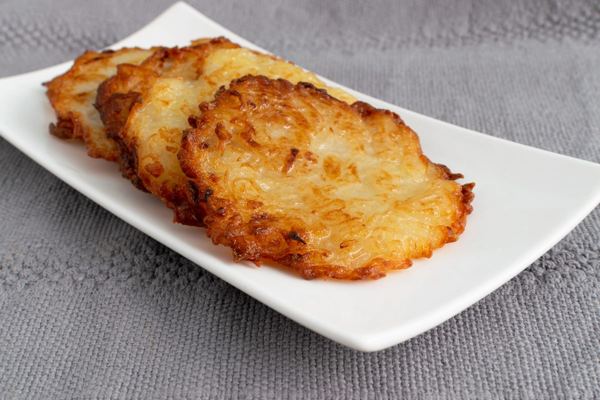
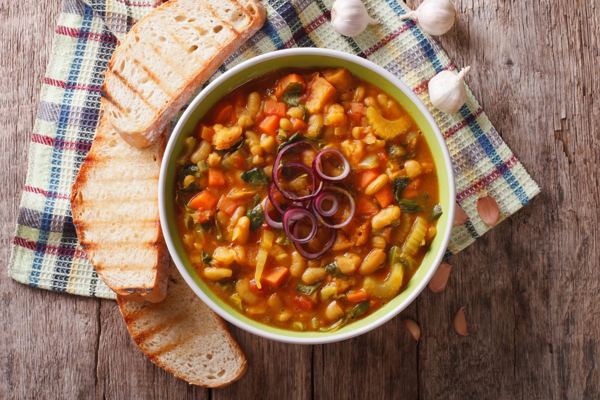
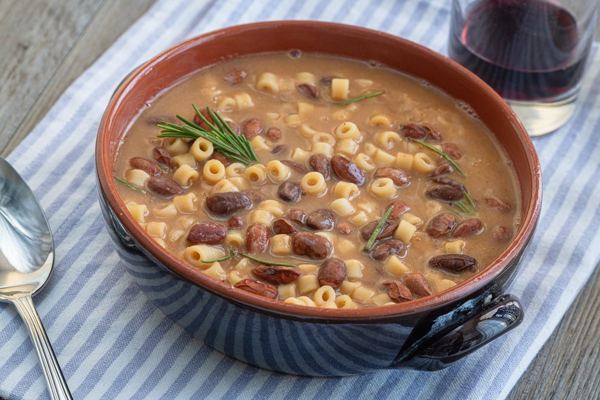
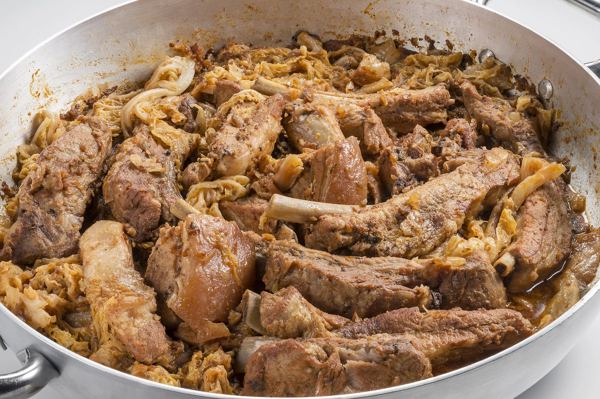
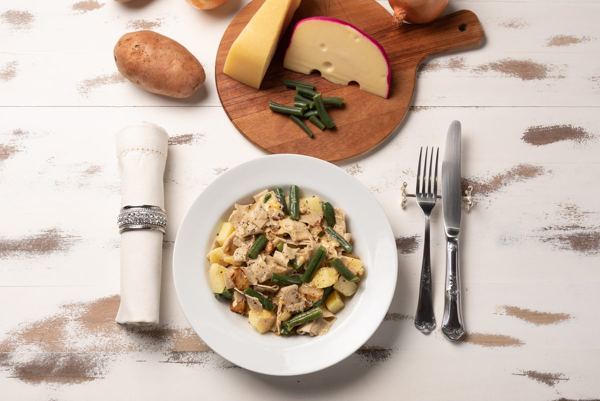
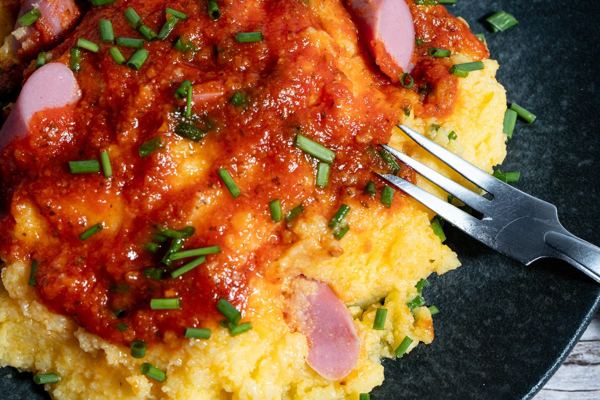
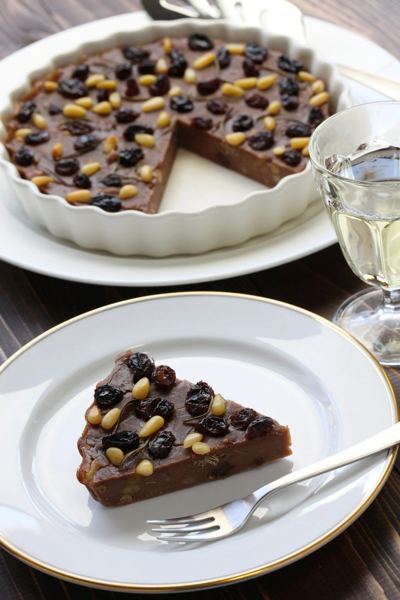
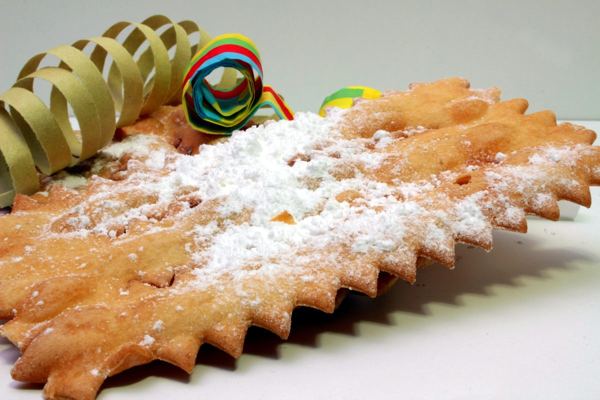
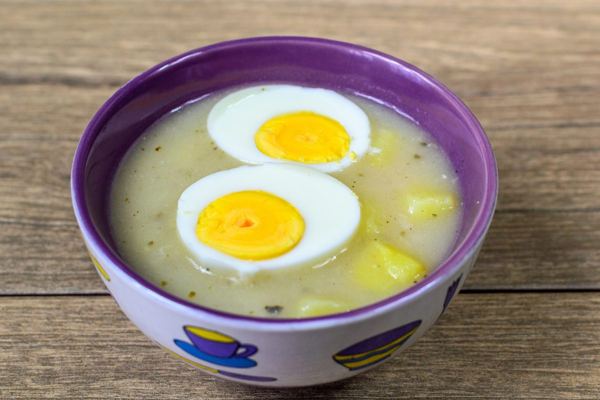
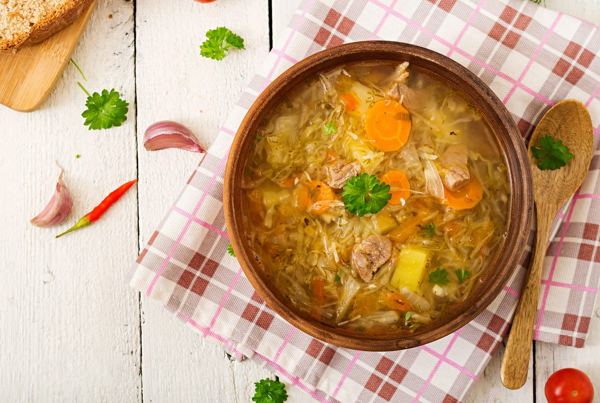
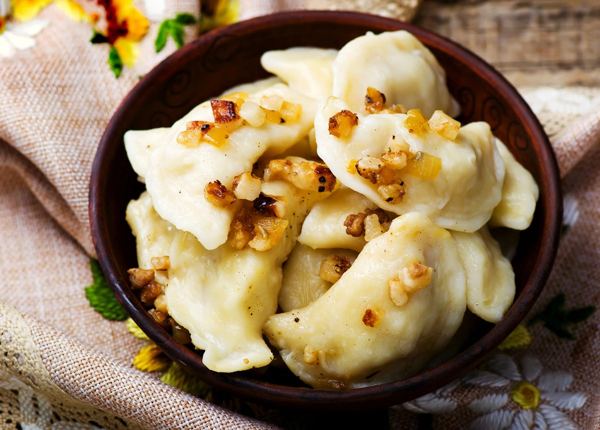
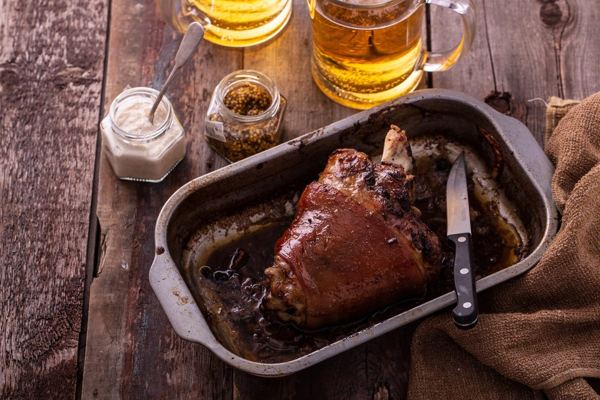
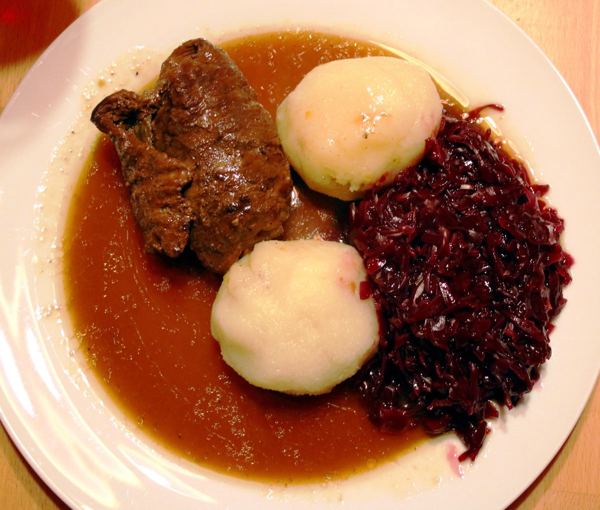
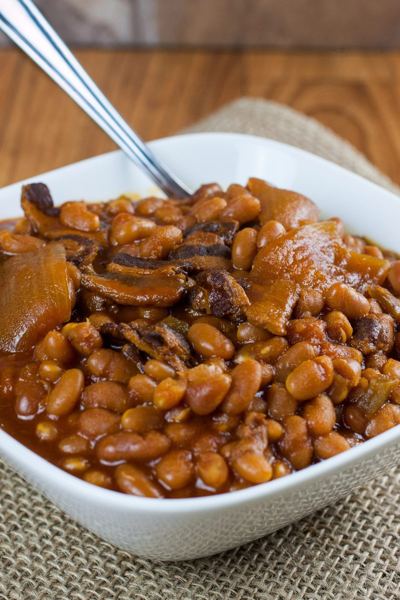
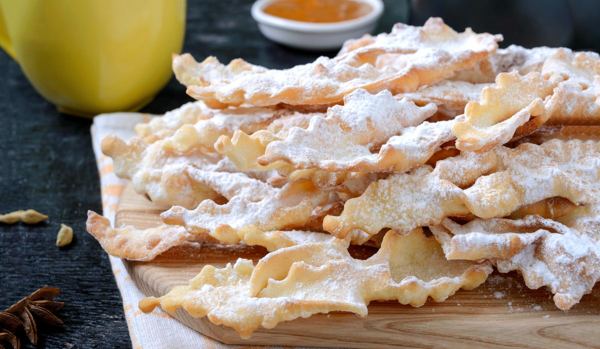
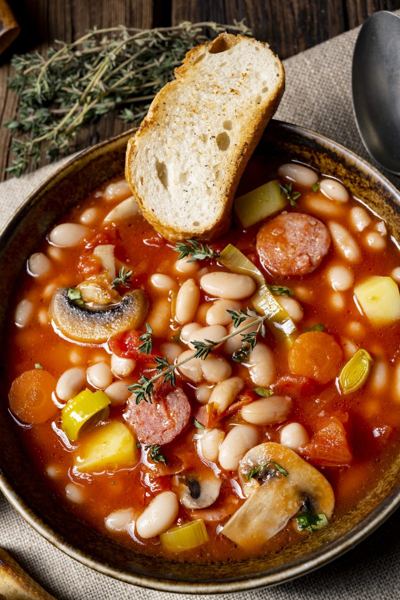
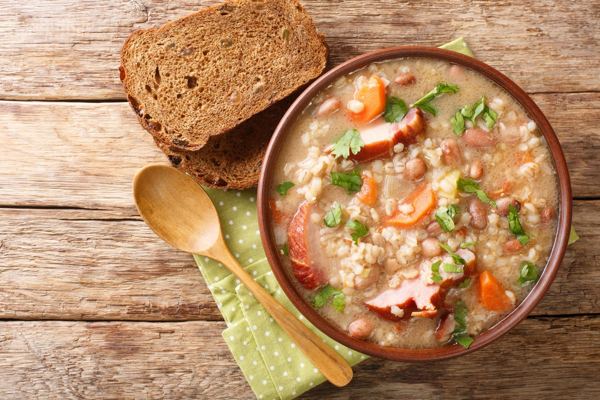
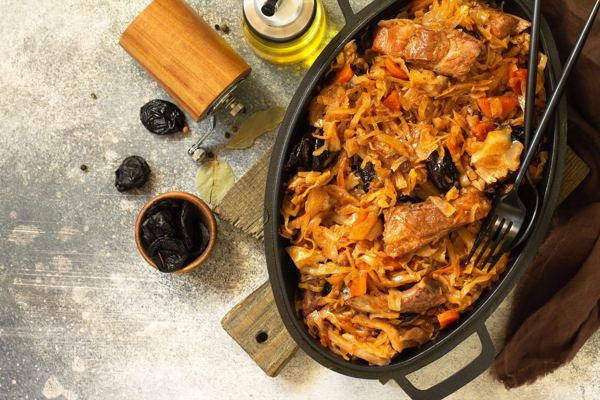
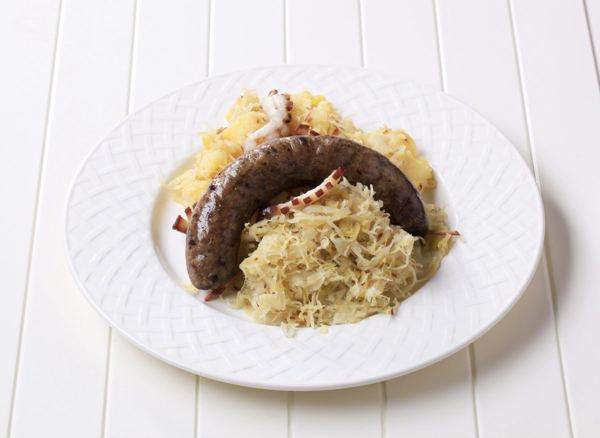
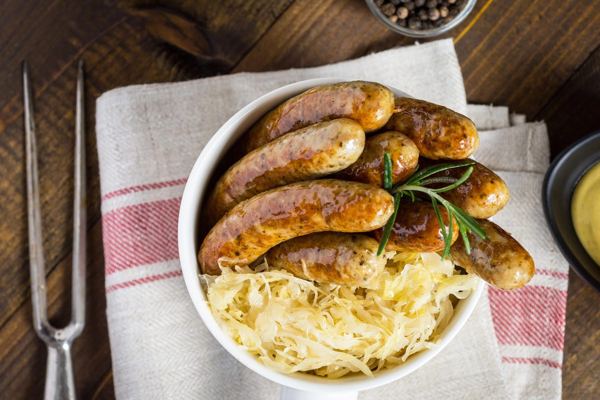
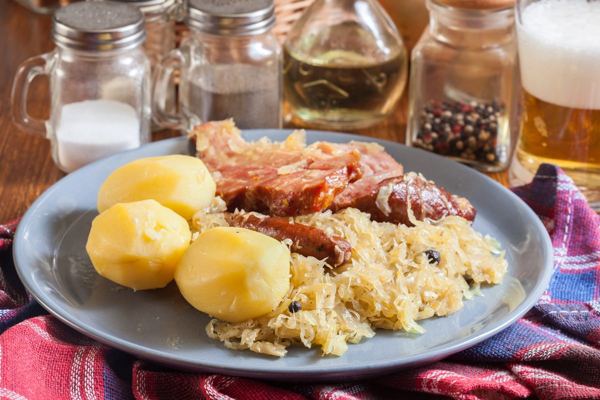
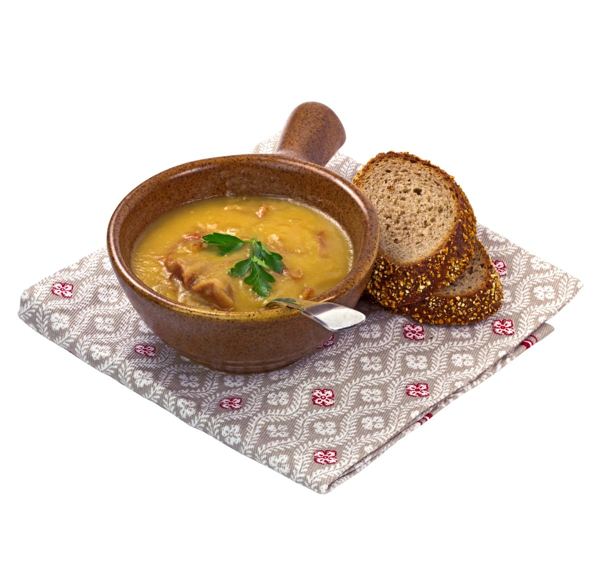
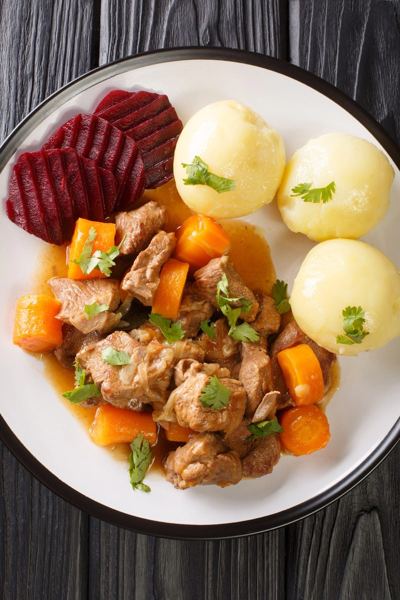
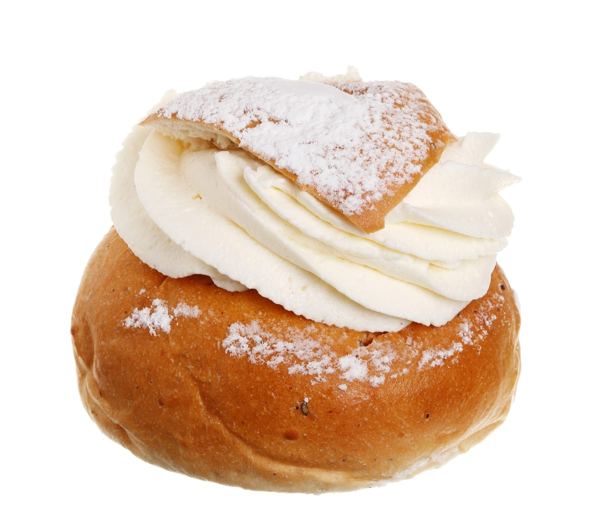
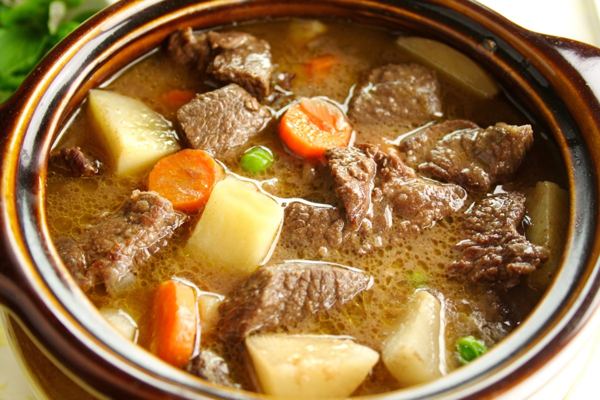
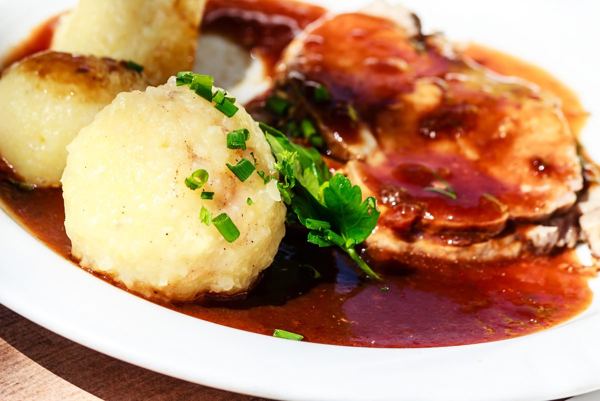
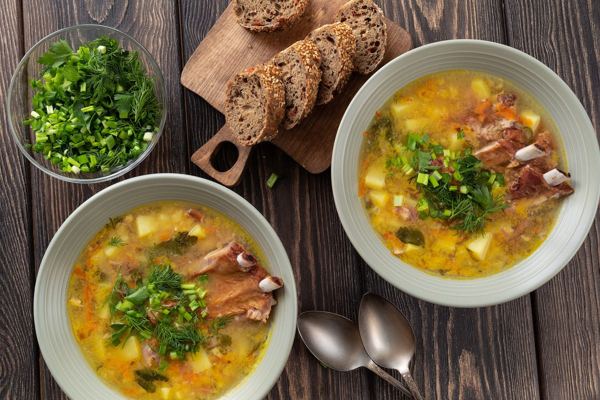
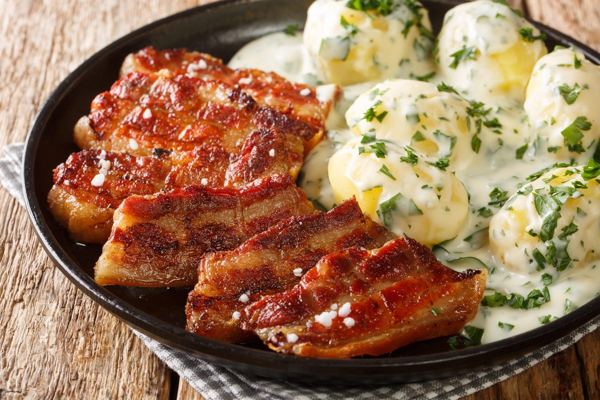
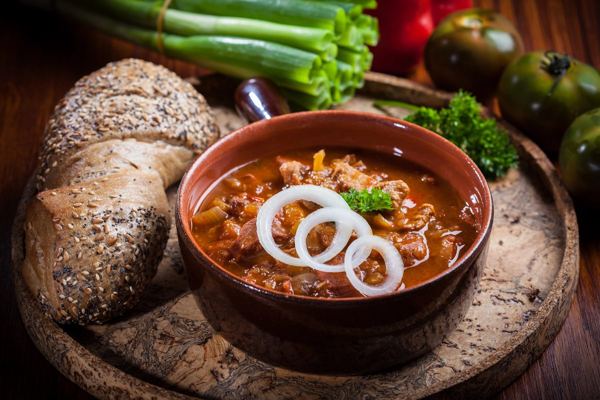
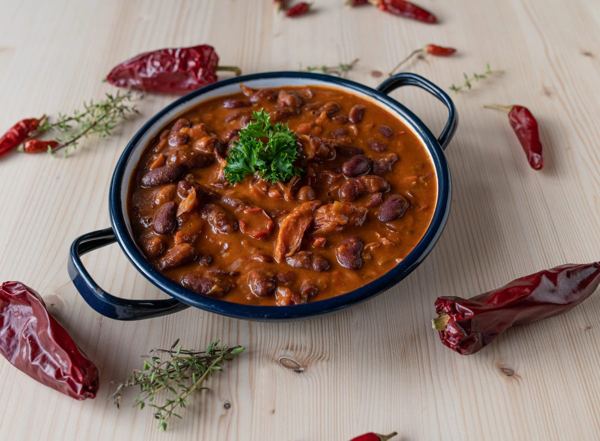
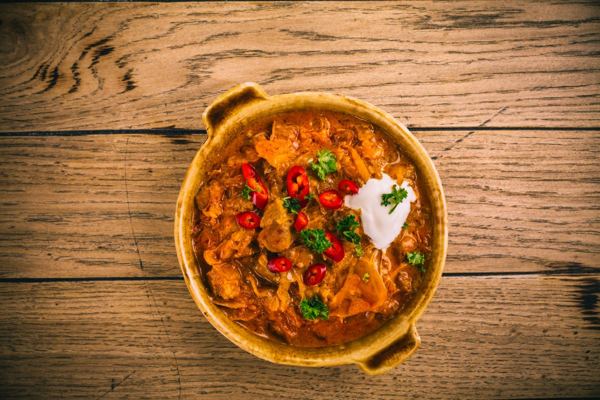
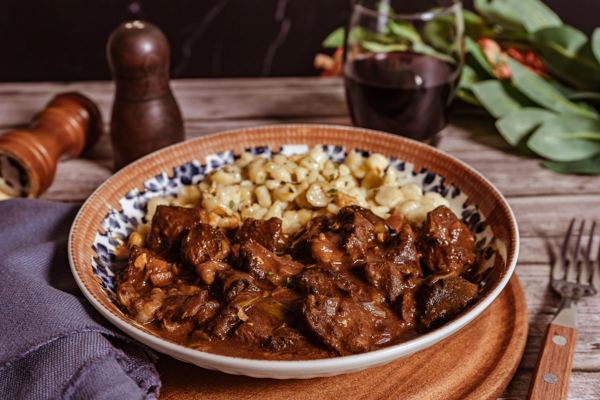
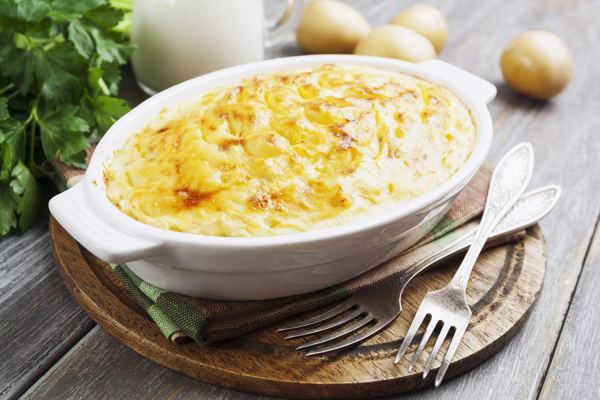
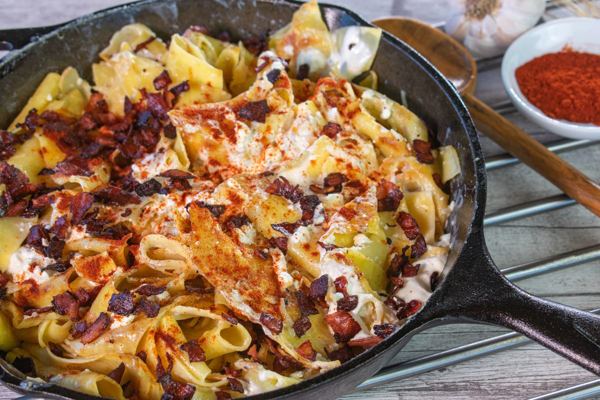
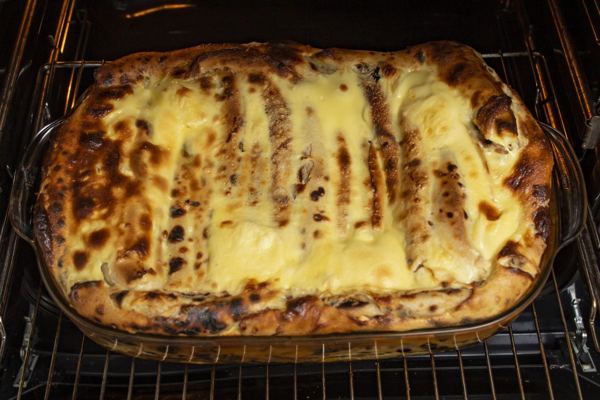
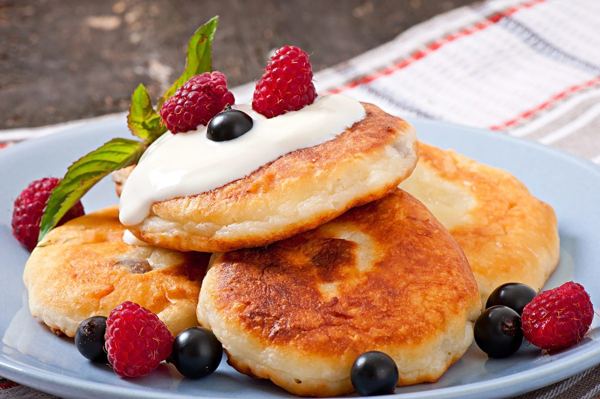
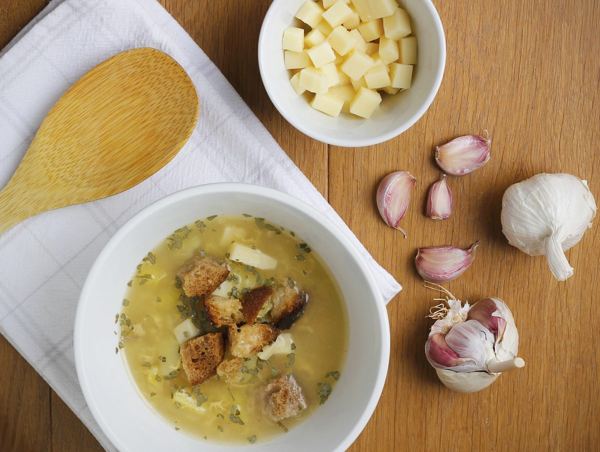
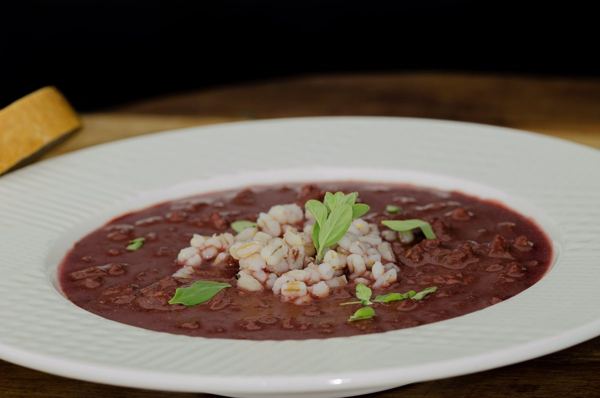
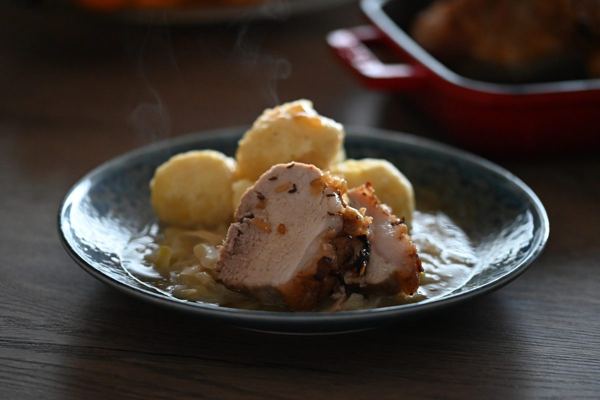
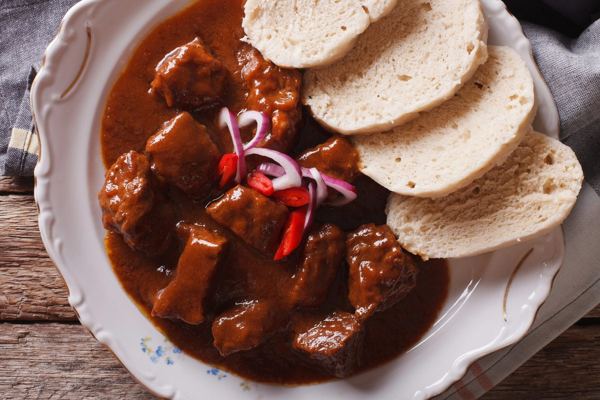
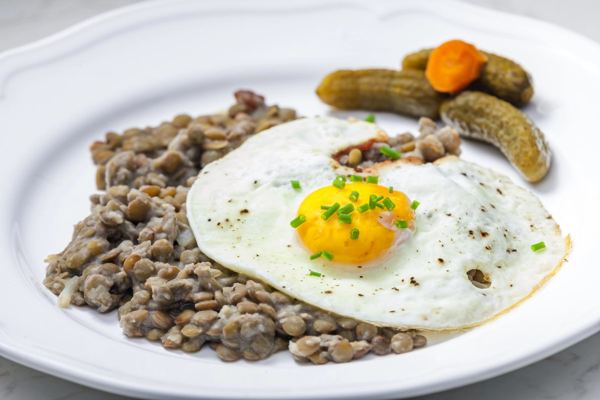
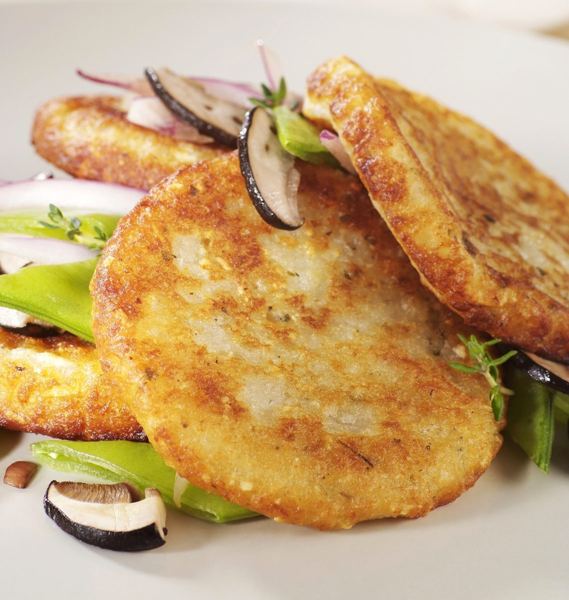
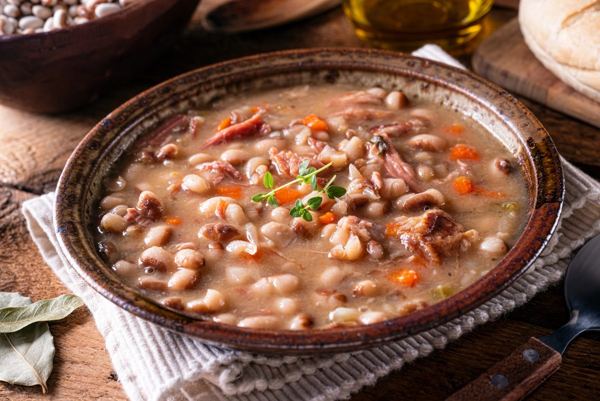
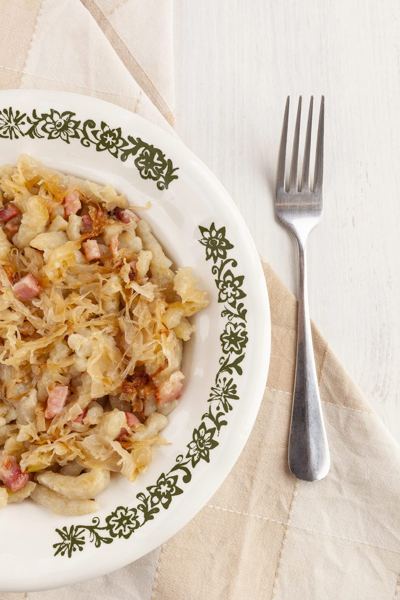
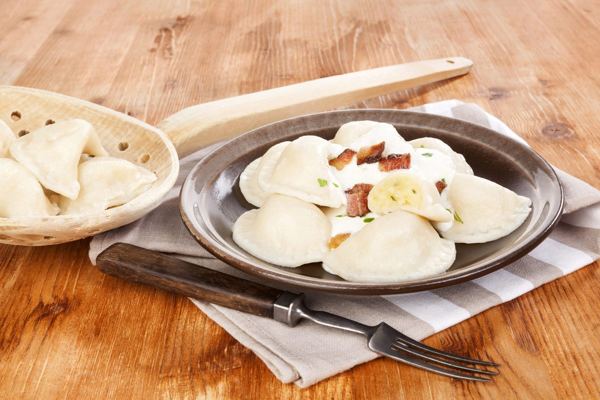
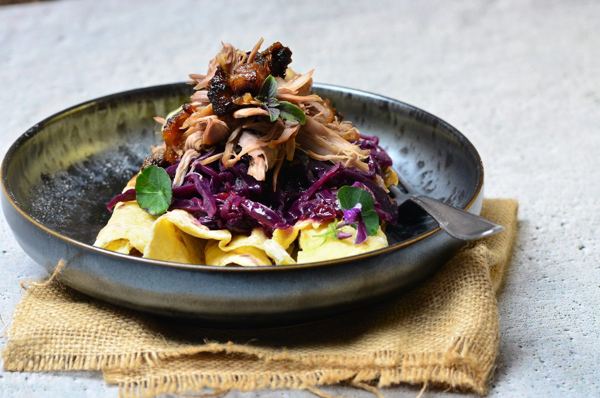
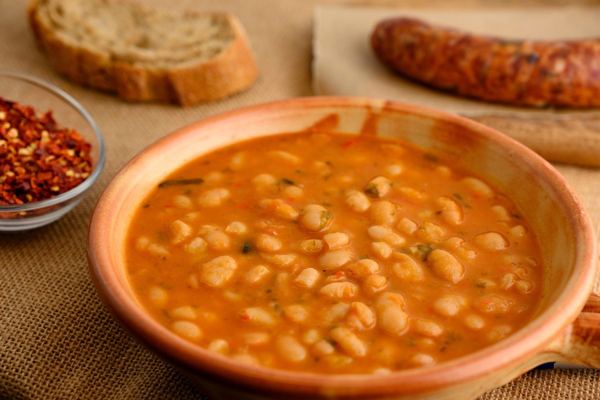
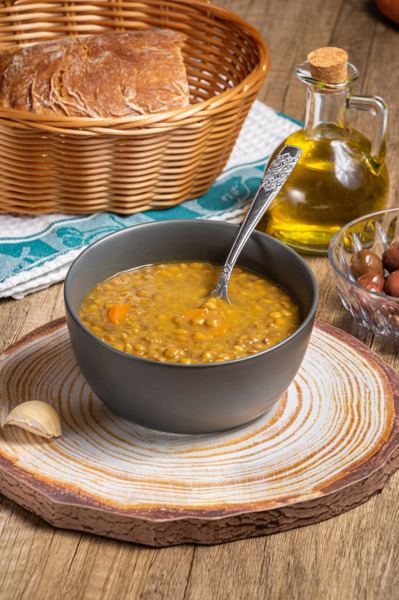
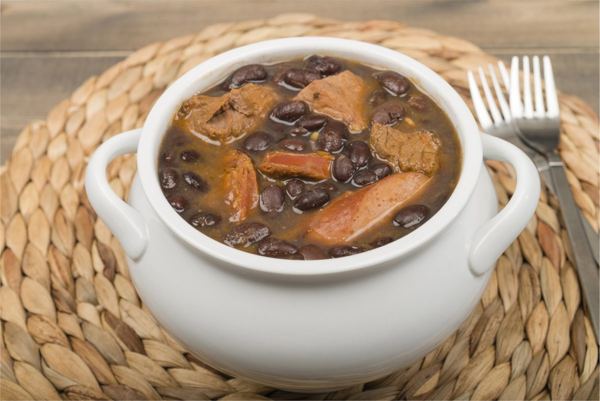
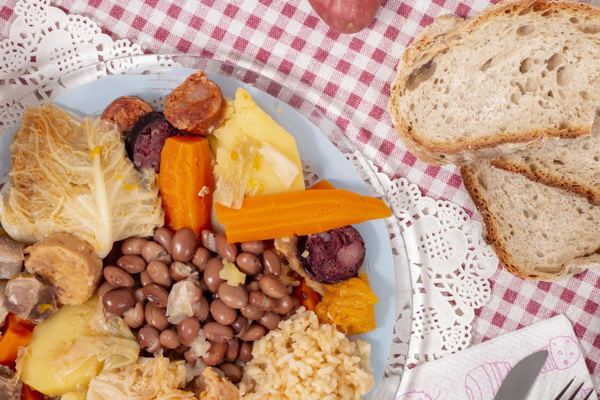
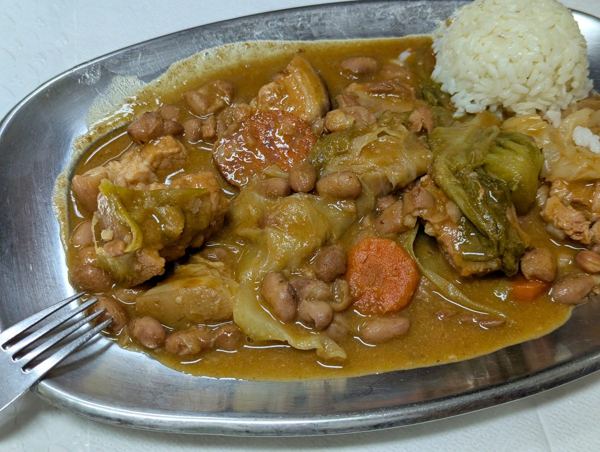
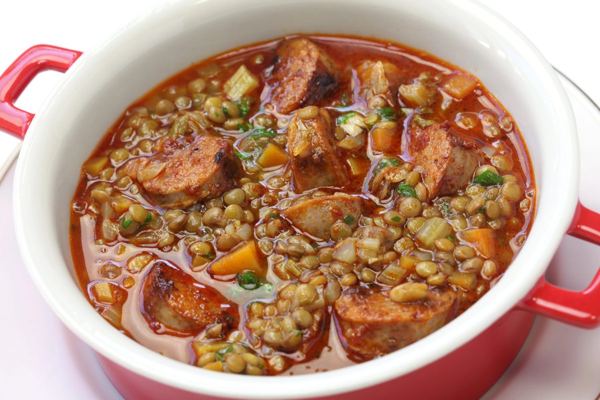
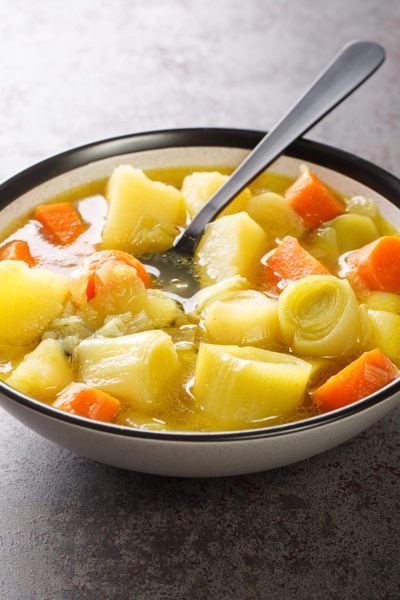
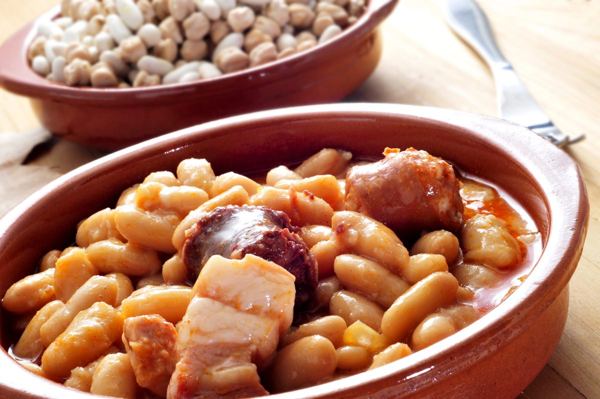
Winter Folk Dishes, the third Heirloom Feast edition, collects 133 recipes from 16 European countries: eight from each country and thirteen from Croatia. These are the dishes people cook when it is cold, and most of them are plain home food. There are soups and bean stews, such as Asturian fabada and Istrian maneštra; cabbage and sauerkraut dishes, from Lombard cassoeula to Czech roast pork with dumplings and sauerkraut; pork and sausages from the pig-slaughter season; dumplings and potatoes; and the doughnuts and fried pastries of Carnival. A smaller group of recipes belongs to winter customs: the kale outings around Bremen, the feast of Sant'Antonio Abate on January 17, the Serbian slava and Clean Monday in Greece. In 2027 Carnival peaks with Fat Thursday on February 4 and Shrove Tuesday on February 9, the days for Polish faworki, Croatian krafne and Swedish semlor. A feature story follows one doughnut dough across Europe under its many names. The recipes are written for US home cooks, with US and metric measures, and main courses serve 4. Every recipe has been checked against published recipes from its country.
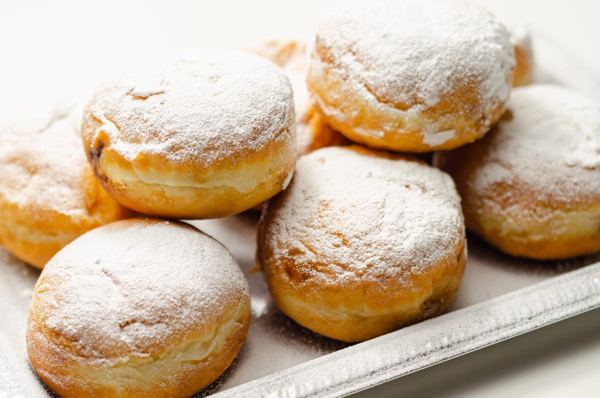
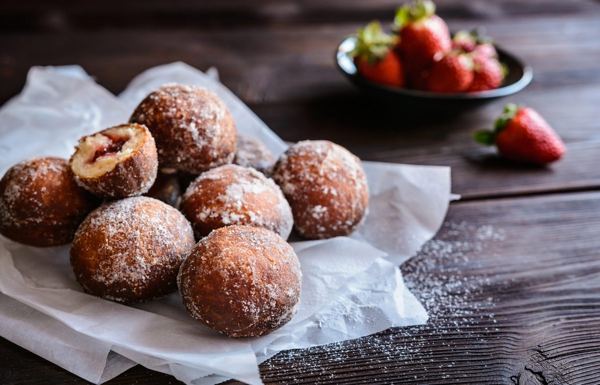
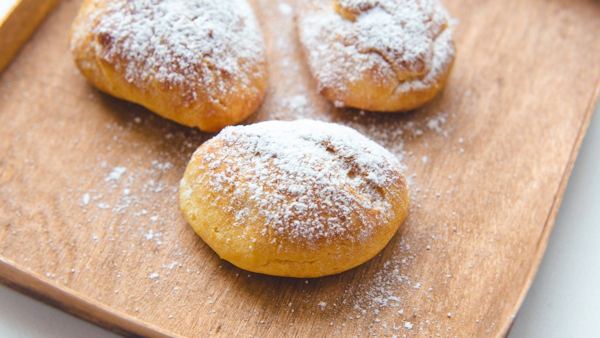
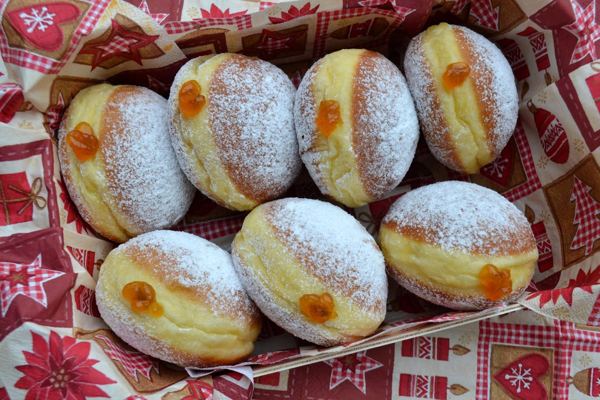
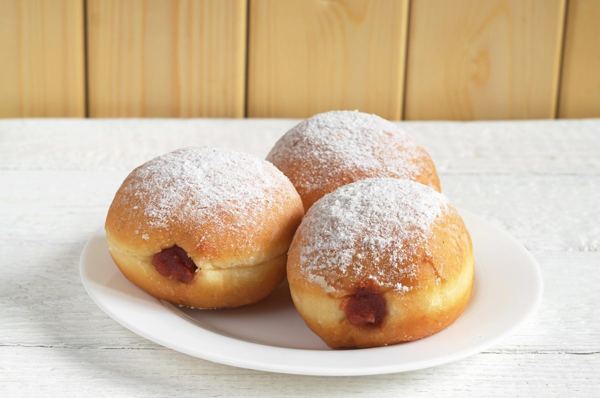
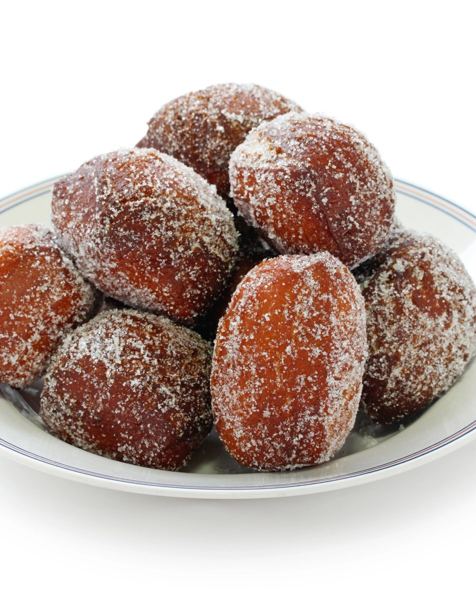
Across much of Europe, the last days before Lent smell of hot fat and yeast. The dough is nearly the same everywhere: flour, milk, eggs or yolks, butter, sugar and yeast, often with a spoonful of rum or brandy, left to rise, cut into rounds and fried. What changes is the name, the filling and the day.
In Germany the first known recipe for a filled Krapfen appears in a cookbook printed in Nuremberg in 1485. Today the same doughnut is a Berliner in the north and west, a Pfannkuchen in Berlin, a Krapfen in Bavaria and a Kreppel in Hesse, and it is eaten through Carnival and on New Year's Eve. In northern Croatia krafne belong to fašnik; an old Samobor cookbook calls them the typical Carnival pastry and notes they were once a luxury, because frying took so much fat. In Hungary the farsangi fánk is judged by the pale ribbon around its middle, and it is topped, not filled, with apricot jam. Slovaks fry šišky for fašiangy, the season that runs from Three Kings Day to Ash Wednesday. Poles eat pączki on Fat Thursday, by one estimate about 100 million in a single day, and Polish Americans keep Pączki Day on Fat Tuesday. On Madeira, malassadas were made for Fat Tuesday so that households used up their lard and sugar before Lent; workers from Madeira and the Azores carried them to Hawaii, where Fat Tuesday is still Malasada Day.
In 2027 the season peaks with Fat Thursday on February 4 and Shrove Tuesday on February 9, the day before Ash Wednesday. All of these doughnuts share one rule: they are best on the day they are fried, so start the dough in the morning and serve them in the afternoon.
Sales open soon. Until then, the free recipes from this edition are open to everyone.