Pinca
Croatian Easter Sweet Bread- Yield
- 2 round loaves, about 1 lb each
- Active
- 45 minutes
- Total
- 4 hours 30 minutes, including rising (or overnight)
- Difficulty
- Advanced
The story
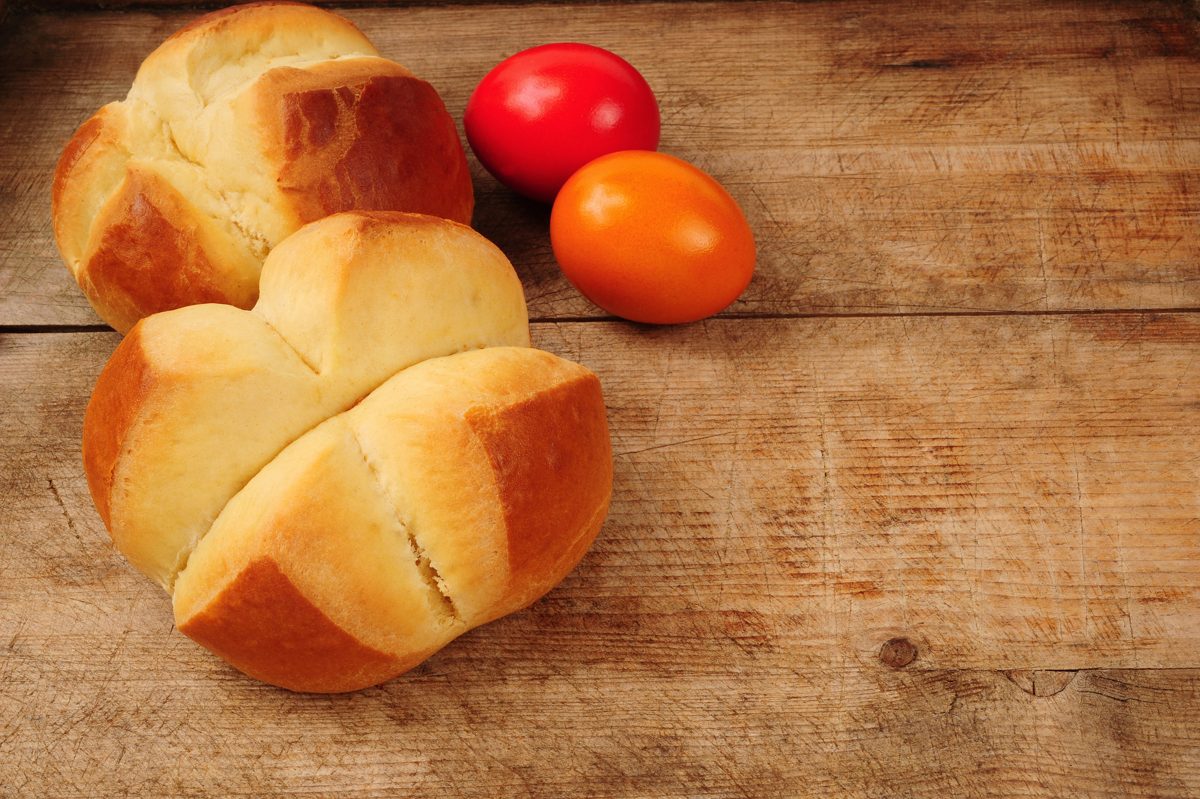
Pinca is the best-known Croatian sweet Easter bread, most popular on the coast, Dnevnik.hr notes. Novi list says it supposedly dates from the time of the Venetian Republic, when leavened dough arrived, and that early versions used no sweetener and tasted close to ordinary bread. The name may come from pinka, a word for a loaf, or from the way the top is snipped with scissors. In Zagorje, Prigorje and Turopolje a similar bread was called jajarica for its yellow color, and in Dalmatia it is known as sirnica, though it contains no cheese. Families carried pinca to church on Holy Saturday, which falls on March 27 in 2027, to be blessed with the rest of the Easter food, its top cut with a cross or a three-pointed star. In some regions the loaf was split to hold a pisanica, a decorated egg, and pinca was given to guests as a sign of good wishes. Before home ovens, it was baked on the hearth under a čripnja or in bread ovens. Start the dough on Friday evening and let it rise in the refrigerator overnight to bake on Saturday morning.
This recipe contains alcohol. It is meant for adults of legal drinking age.
Ingredients
- For the dough:
- 1/2 cup lukewarm milk (about 100°F)
- 1 tablespoon instant or active dry yeast
- 1/2 cup sugar, divided
- 4 cups all-purpose flour, divided, plus more for dusting
- 1/2 teaspoon salt
- 3 large eggs plus 1 yolk, at room temperature
- Finely grated zest of 1 lemon and 1 orange
- 1 teaspoon vanilla extract
- 1 tablespoon rum
- 1/2 cup (1 stick) unsalted butter, melted and cooled
- For the top:
- 1 egg yolk beaten with 1 tablespoon milk
- 1 tablespoon sugar
Method
- Stir the yeast, 1 teaspoon of the sugar and 1 tablespoon of the flour into the lukewarm milk and leave for 10 minutes, until foamy.
- In a large bowl, whisk the remaining flour and sugar with the salt; add the yeast mixture, eggs and yolk, citrus zest, vanilla and rum, and mix into a shaggy dough.
- Knead by hand for 10 minutes or with a dough hook on medium-low speed for 6 minutes, then add the melted butter a little at a time and knead 5 to 8 minutes more, until the dough is smooth, soft and no longer tacky.
- Cover and let rise in a warm place for 1 1/2 to 2 hours, until doubled; or refrigerate overnight and let the dough warm up for 1 hour before shaping.
- Divide the dough in two, shape each piece into a tight ball, and set them well apart on a parchment-lined baking sheet.
- Cover loosely and let rise for 45 to 60 minutes, until puffy and nearly doubled; meanwhile heat the oven to 350°F.
- Brush with the yolk mixture, then with sharp scissors snip three cuts from the top center outward, about 1 1/2 inches deep, so the top opens into a three-pointed star (or cut a cross); sprinkle with the sugar.
- Bake for 30 to 35 minutes, until deep golden and a skewer in the center comes out clean (190°F inside); cover with foil after 20 minutes if the tops brown too fast.
- Cool on a rack under a clean kitchen towel so the crust stays soft.
Note: A Gorski kotar pinca recipe in Novi list treats raisins and orange peel as later additions; for that plainer style, leave out the orange zest. Pinca keeps 3 days in a bag and is good toasted after the first day.